
Working with artisan chocolate in a tropical environment presents challenges that standard bakery textbooks rarely address. High ambient moisture in the air is the ultimate enemy of tempered cacao, as water droplets cause sugars to bloom into grainy surface textures. Maintaining clean snap and glossy finishes inside our Oahu studio requires adjusting classic technique for coastal humidity.
Understanding Beta Crystals in Island Climates
Tempering is fundamentally about encouraging stable Form V beta crystals while melting away weaker fat configurations. When warm tropical air hits molten chocolate, moisture condensation disrupts this delicate crystal matrix. We counter this by controlling room humidity levels before seeding warm batch chocolate with precise chopped block reserves.
Managing Dew Point in the Oahu Studio
Work surfaces must stay strictly dry throughout every phase of melting, agitation, and setting. Marble slabs are preferred because they slowly absorb heat without accumulating surface condensation during warm afternoon sessions. Keeping tools bone-dry prevents seize, ensuring every poured shell sets smoothly with zero sugar bloom.
Achieving the Signature Gloss and Snap
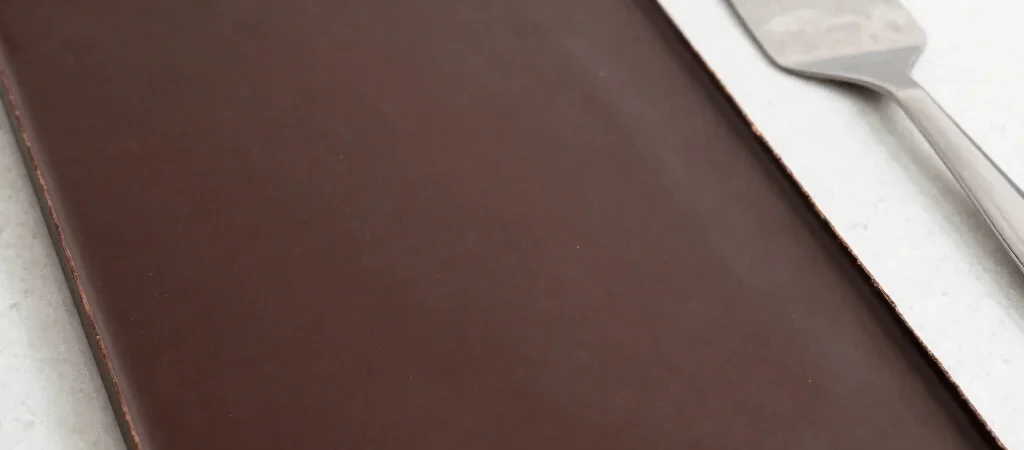
When dark chocolate sets under proper thermal control, it contracts slightly from the mold walls while retaining high structural rigidity. Breaking a finished slab yields a sharp, clean sound that signals perfect crystal alignment. Mastering these environmental adjustments ensures your creations look and feel exceptional, no matter where your kitchen is located.